I headed from Buenos Aires to San Pedro de Atacama for six days, to enjoy what is heralded as the highest and coldest desert in the world. In addition, the center of the Atacama, referred to by climatologists as an “absolute desert”, has never experienced rainfall in recorded history and as such is the driest place on Earth. Indeed, after flying from the incredible humidity of summer in Buenos Aires, I landed to an evening refreshingly brisk and dry in Calama, the nearest airport to the desert. A pre-booked shuttle bus met me and soon we were cruising through unbelievable sand dunes and rock formations in the twilight en route to San Pedro. The scenery was already promising to impress.
Hostal Quinta Adela, where I stayed, is a very simple and basic hostal in San Pedro, but with the advantage of a very friendly host, 24 hour hot water, free breakfast and wifi, and a 5 minute walk to the main town street. That evening, I walked to Blanco restaurant, a restaurant trying hard to be posh in a dusty desert town. A glass of local Carmenere went down a treat and the seafood ceviche was spicy, lovely, and fresh.
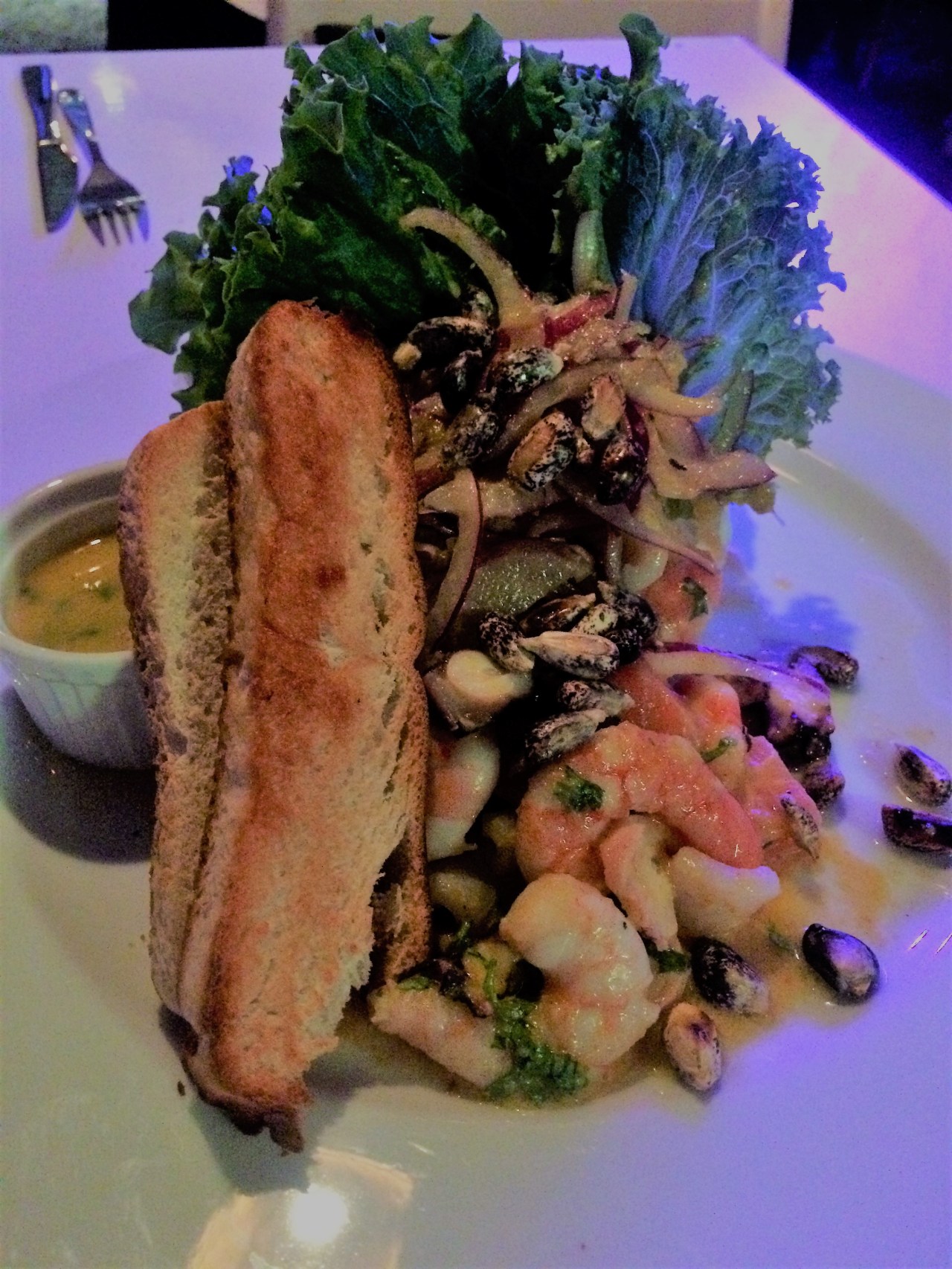 Like many locations I´ve visited in Chile and Argentina, the stereotype of South America being cheap is certainly not true, particularly in tourist hot spots like San Pedro. Ceviche and a drink in a nice restaurant, including the standard Chilean 10% tip and table service, will set you back something around 25-30 euros. I slept like a log that evening, in a blissfully silent place compared to the 24 hour hype of Buenos Aires. However, expect a wake-up call by singing birds and crowing roosters in the morning 🙂
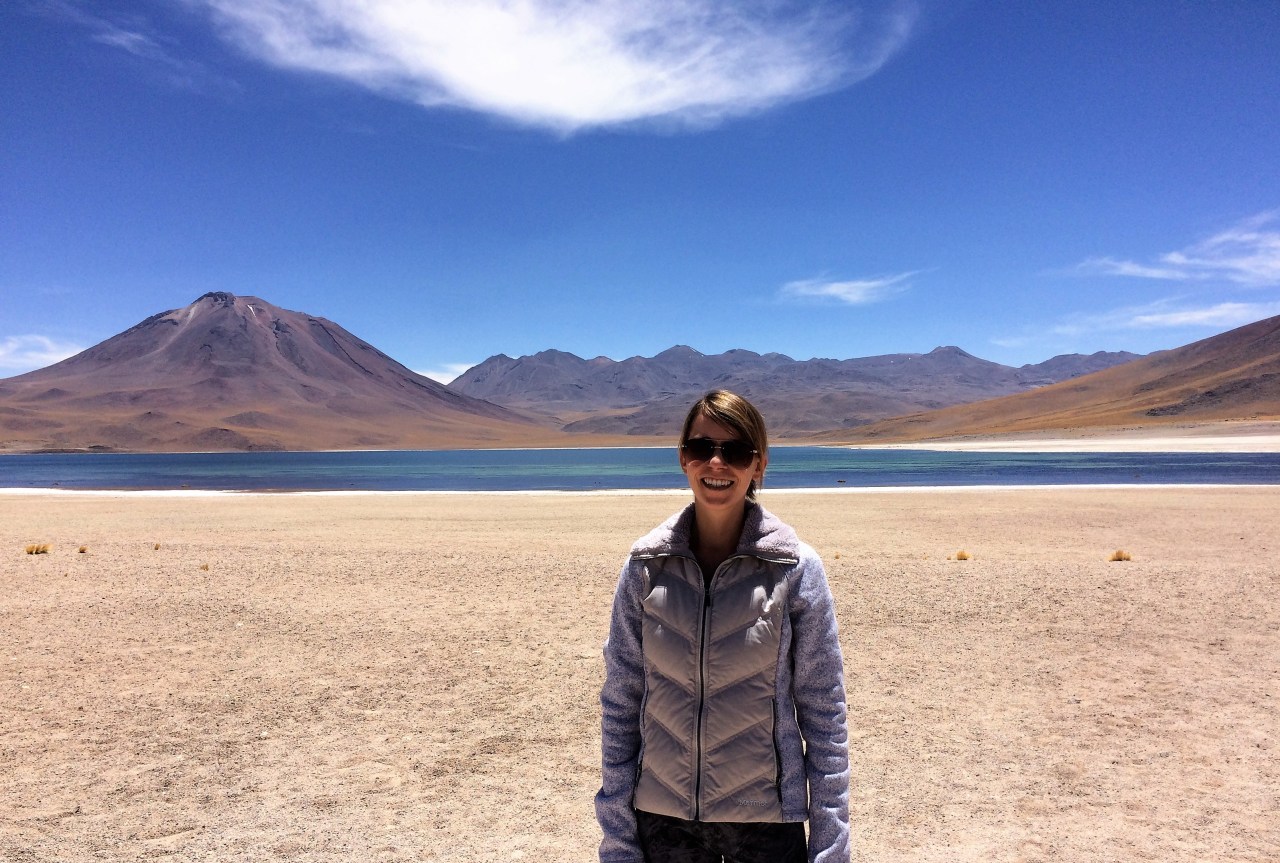
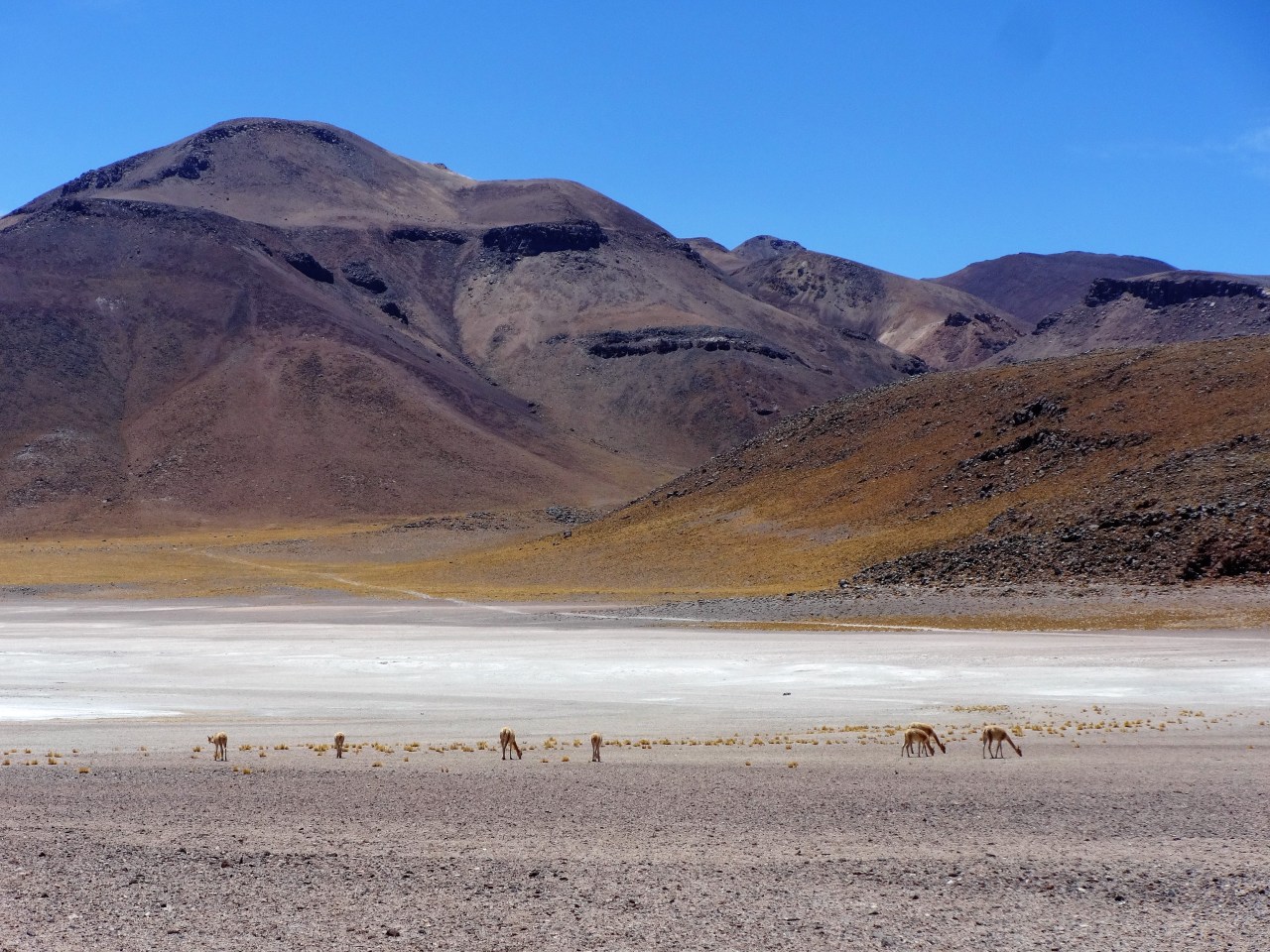
The next morning I hopped on a bus to tour the Altiplanico lagoons and salt flats. It´s a bit of a drive to the lagoons, and on the way we stopped in Toconao village, with the famous Church of San Lucas and ancient stone houses. The bus steadily climbed up the mountain road to arrive at the Miscanti and Meniques lagoons. Located around 4200 meters above sea level, you will most likely feel a little disoriented, lightheaded, and generally unwell, given the little time to acclimatize to the altitude on the bus. However, the views are worth it. Incredible vivid blue lagoons are surrounded by steep volcanoes of the cordillera of the Andes.
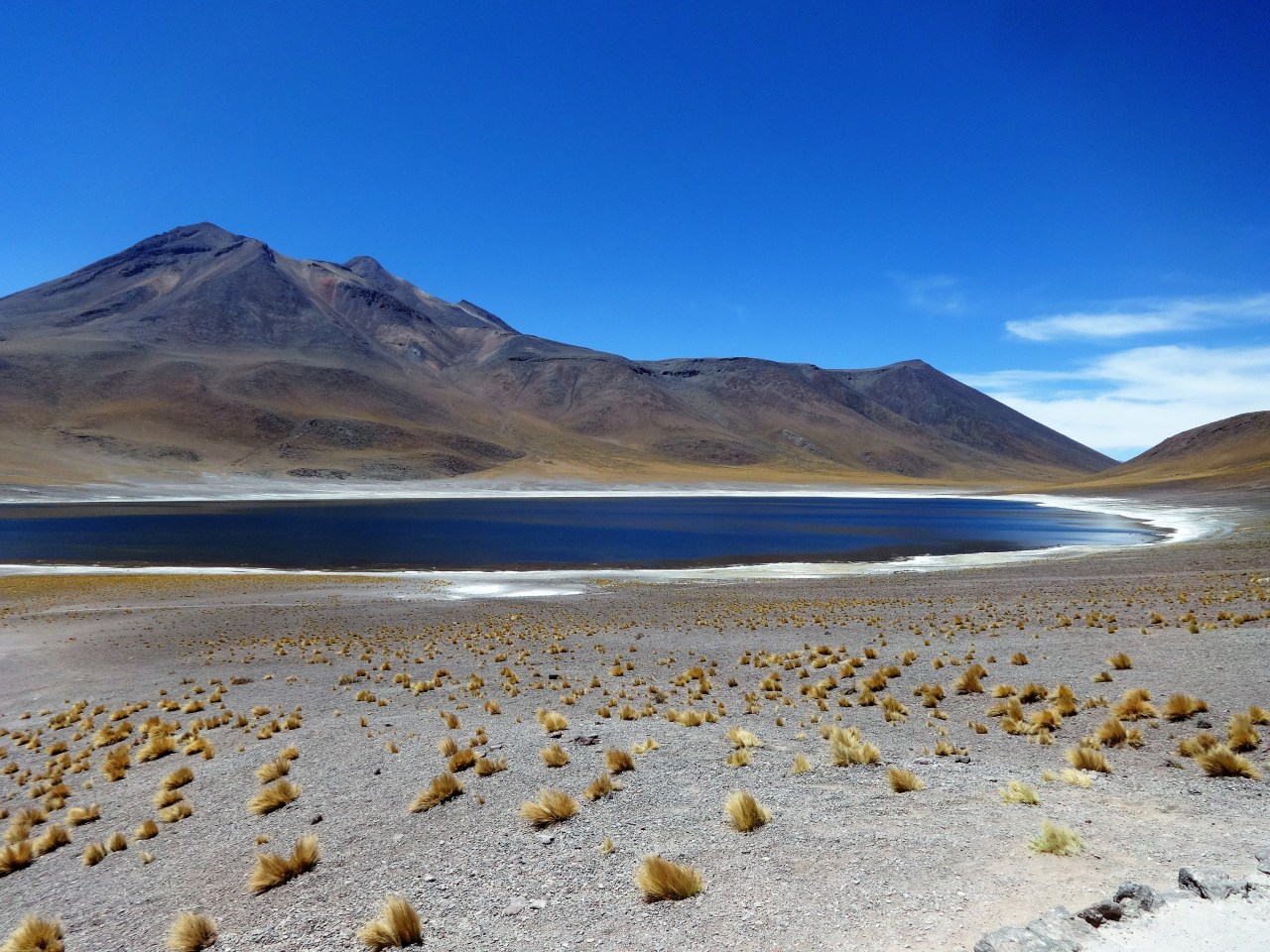

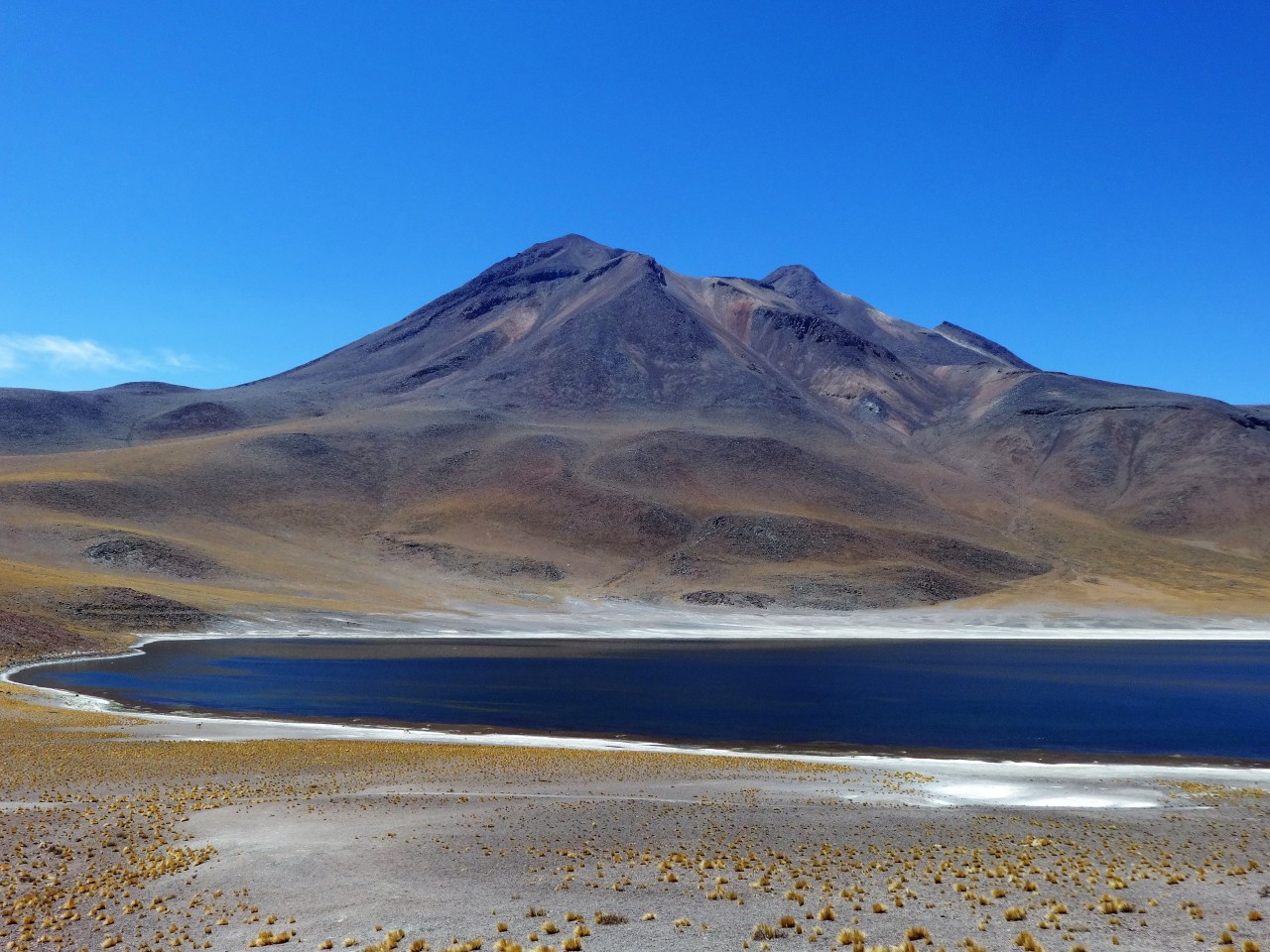
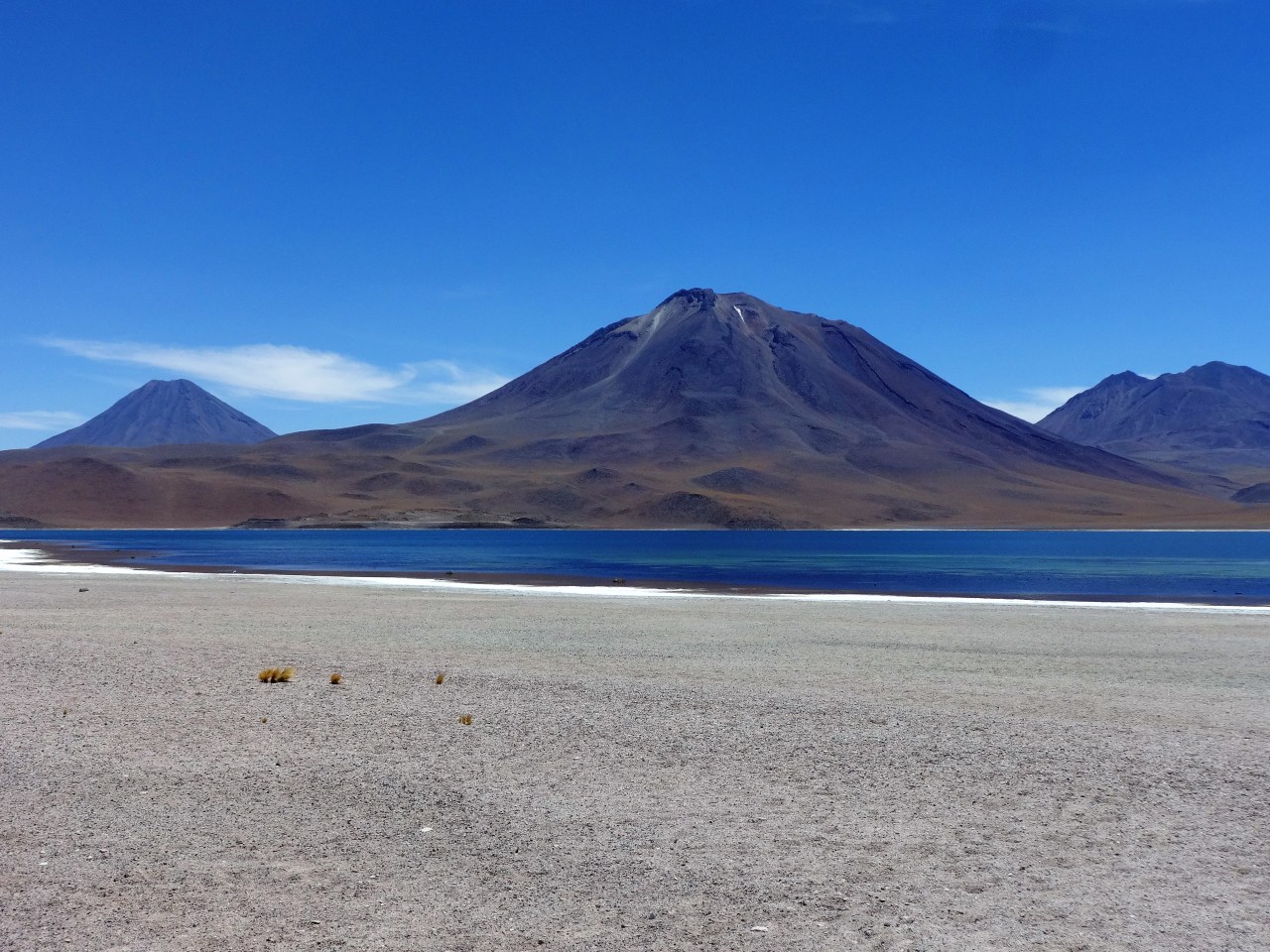
 If you´re lucky, you´ll see some Guanacos, a relative of the llama, wandering around the lagoon.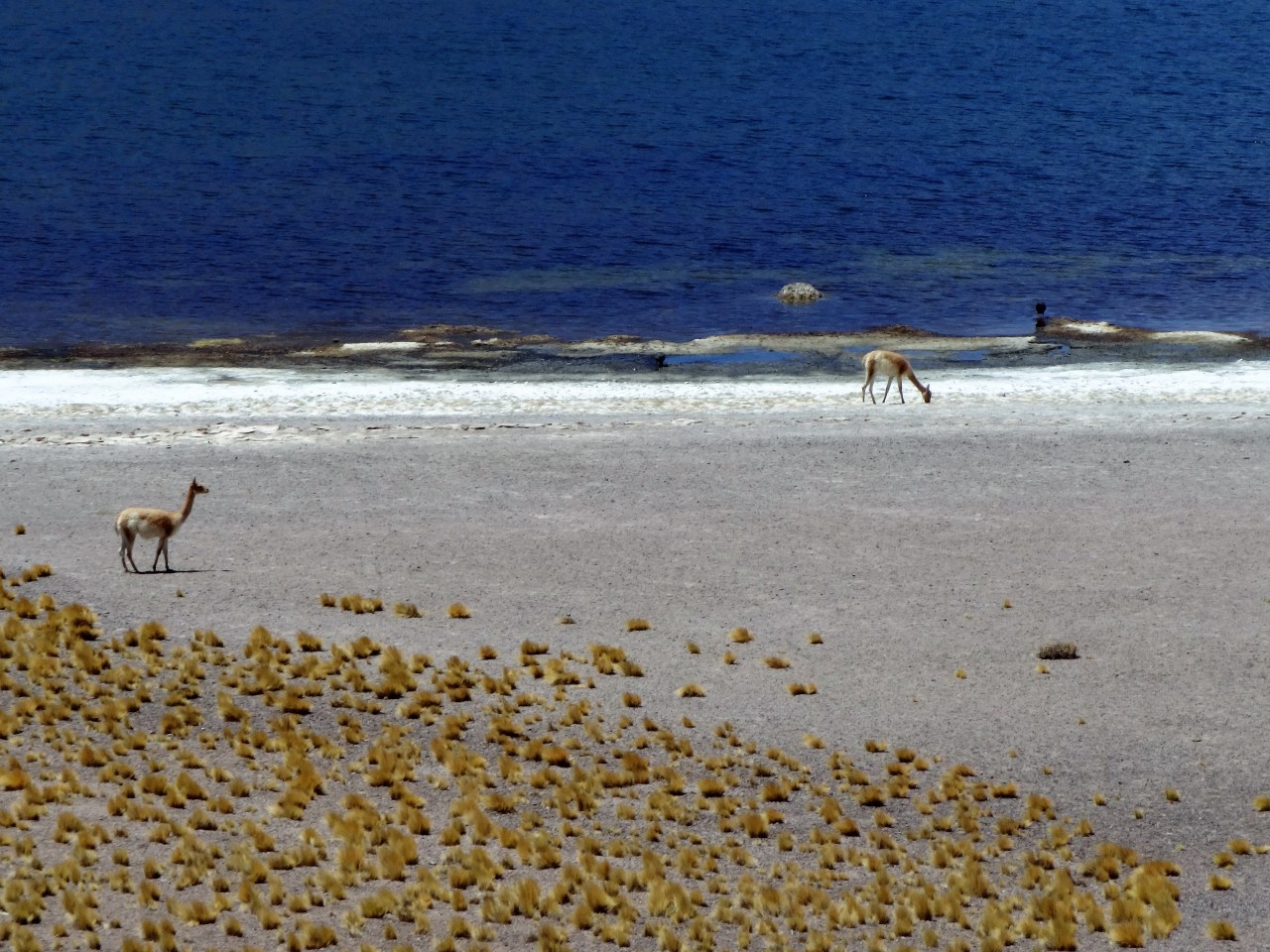

As beautiful as it was it felt good to descend to lower altitudes afterwards to visit the Salar de Atacama in Los Flamencos National Reserve. We passed the Tropic of Capricorn along the way, the latitude containing the subsolar point on the southern solstice. Which basically means, it’s the furthest south you will find the sun directly above you.
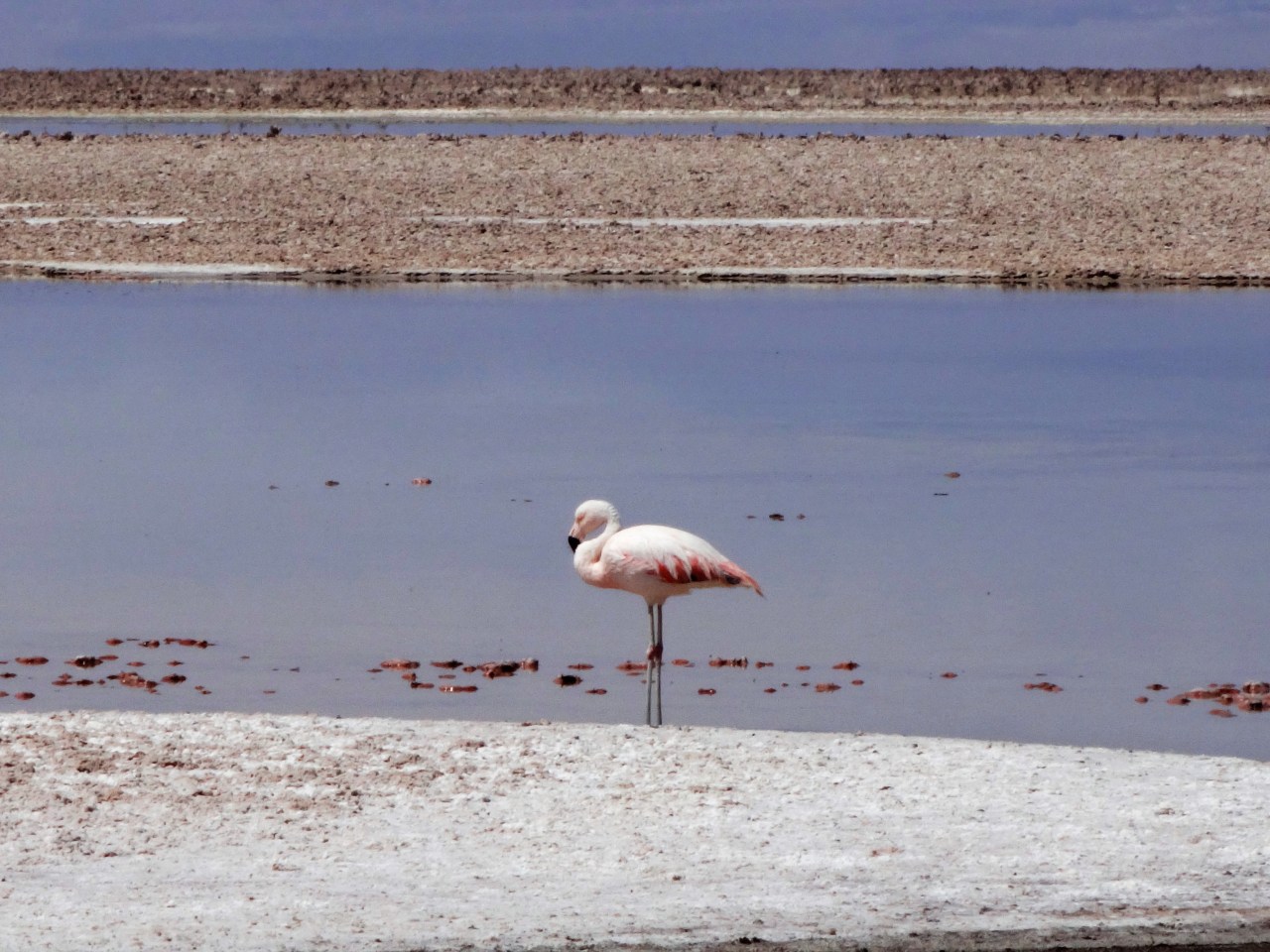
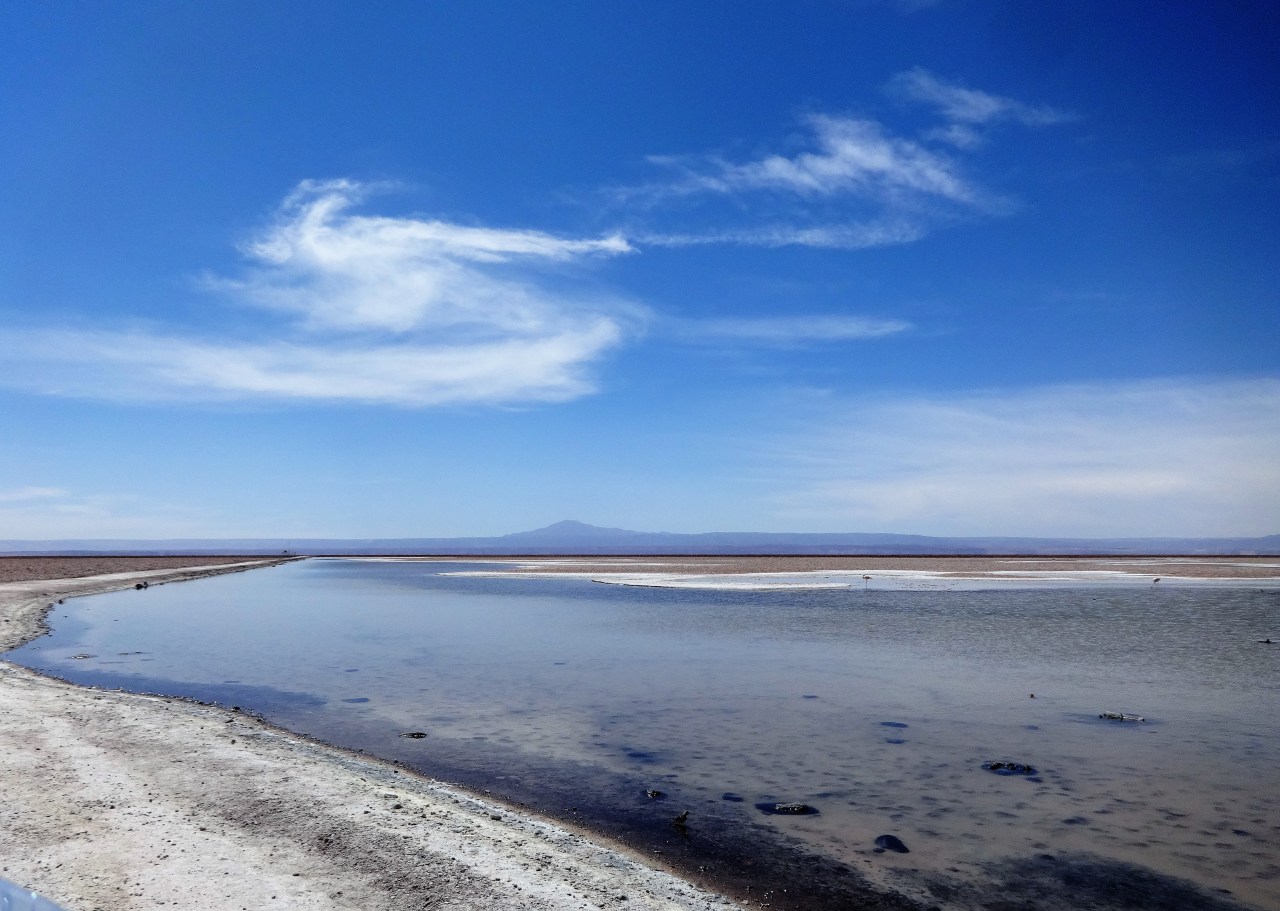
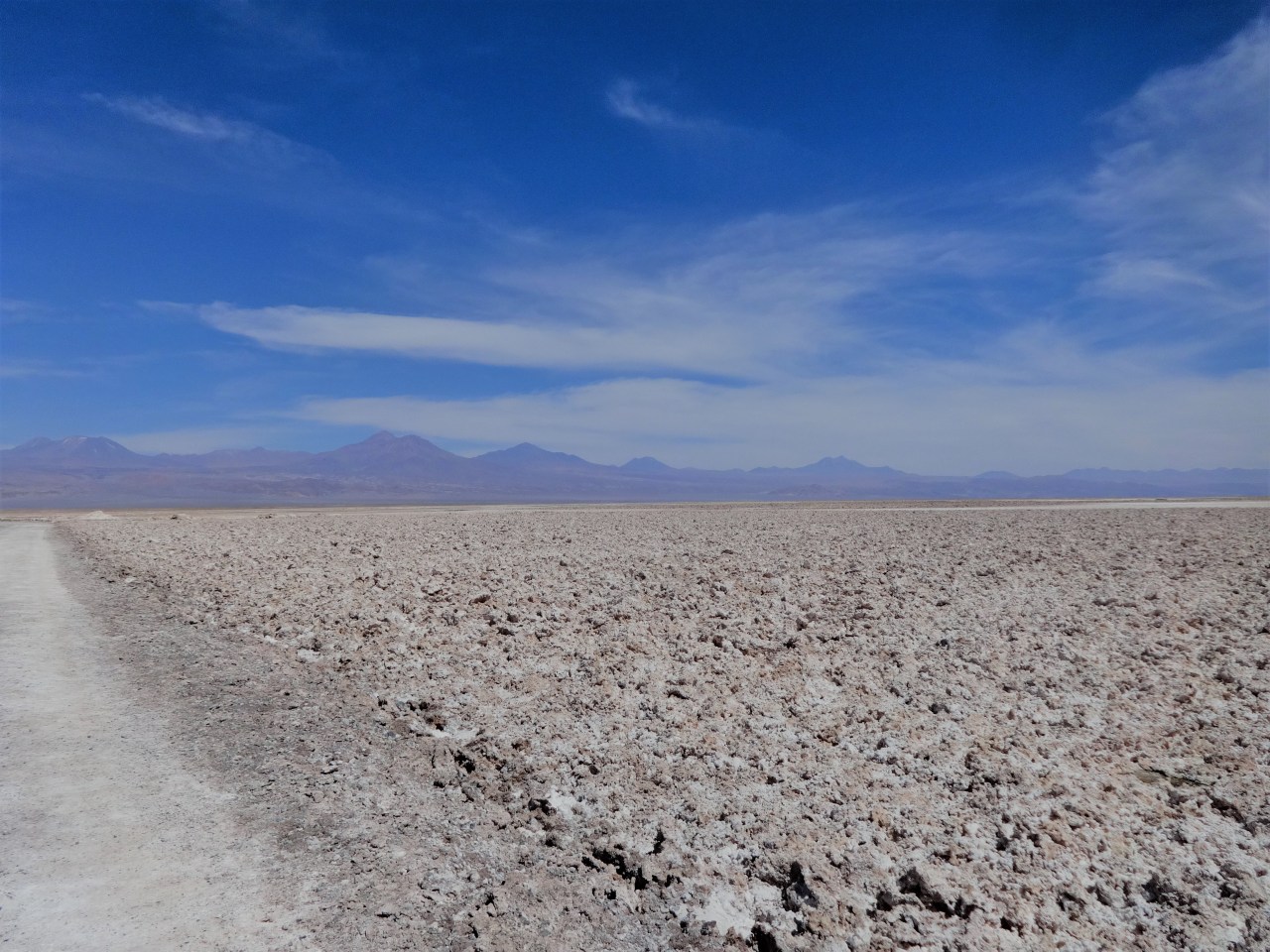
 The amazing salt flats here are unique from those you will see in Bolivia and Argentina. The colors are amazing, soft pinks, browns, and blues muted by the shimmering heat, with bright vivid flamingos mincing through the salt water. So much more intriguing than zoo flamingos!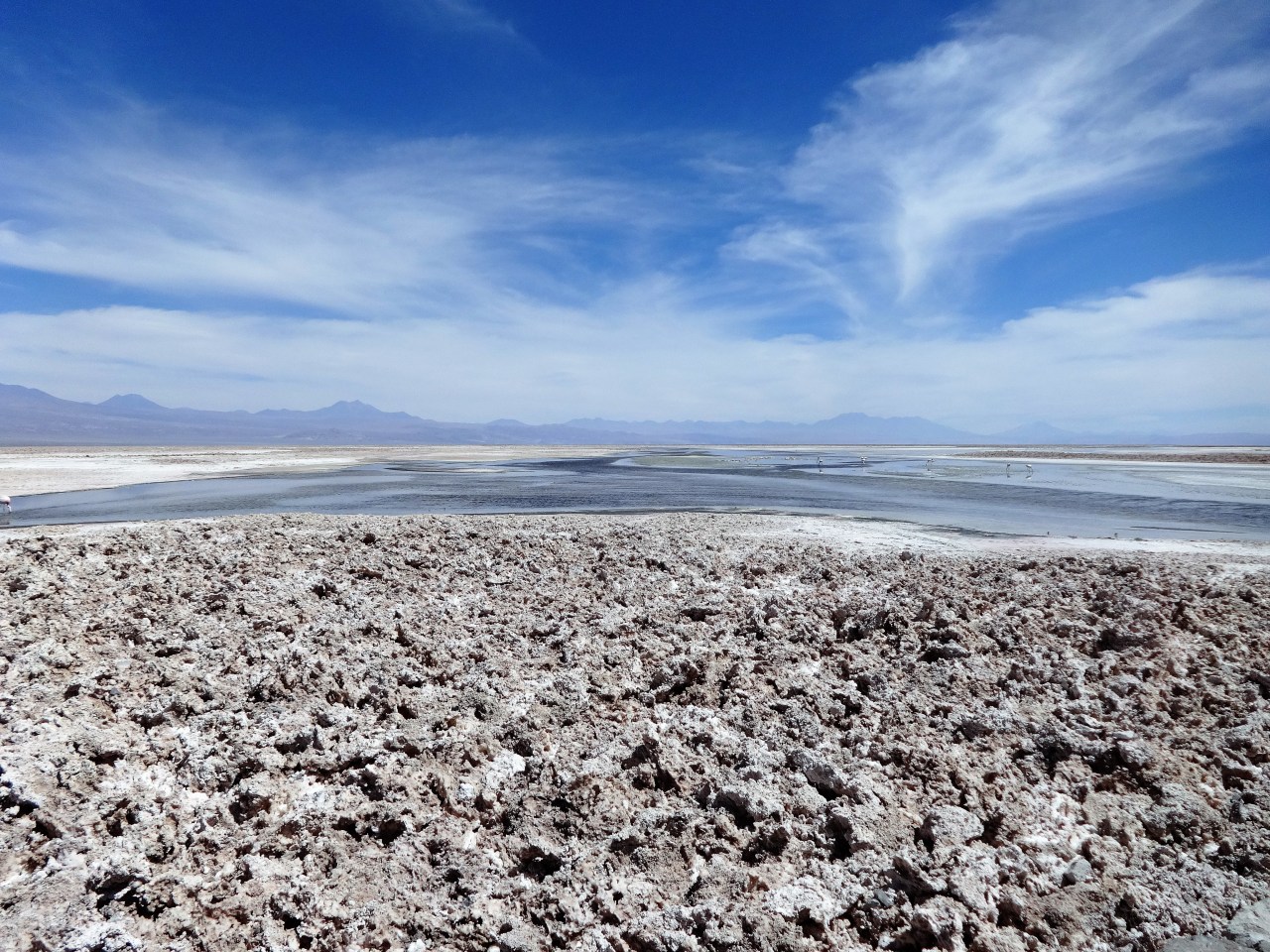
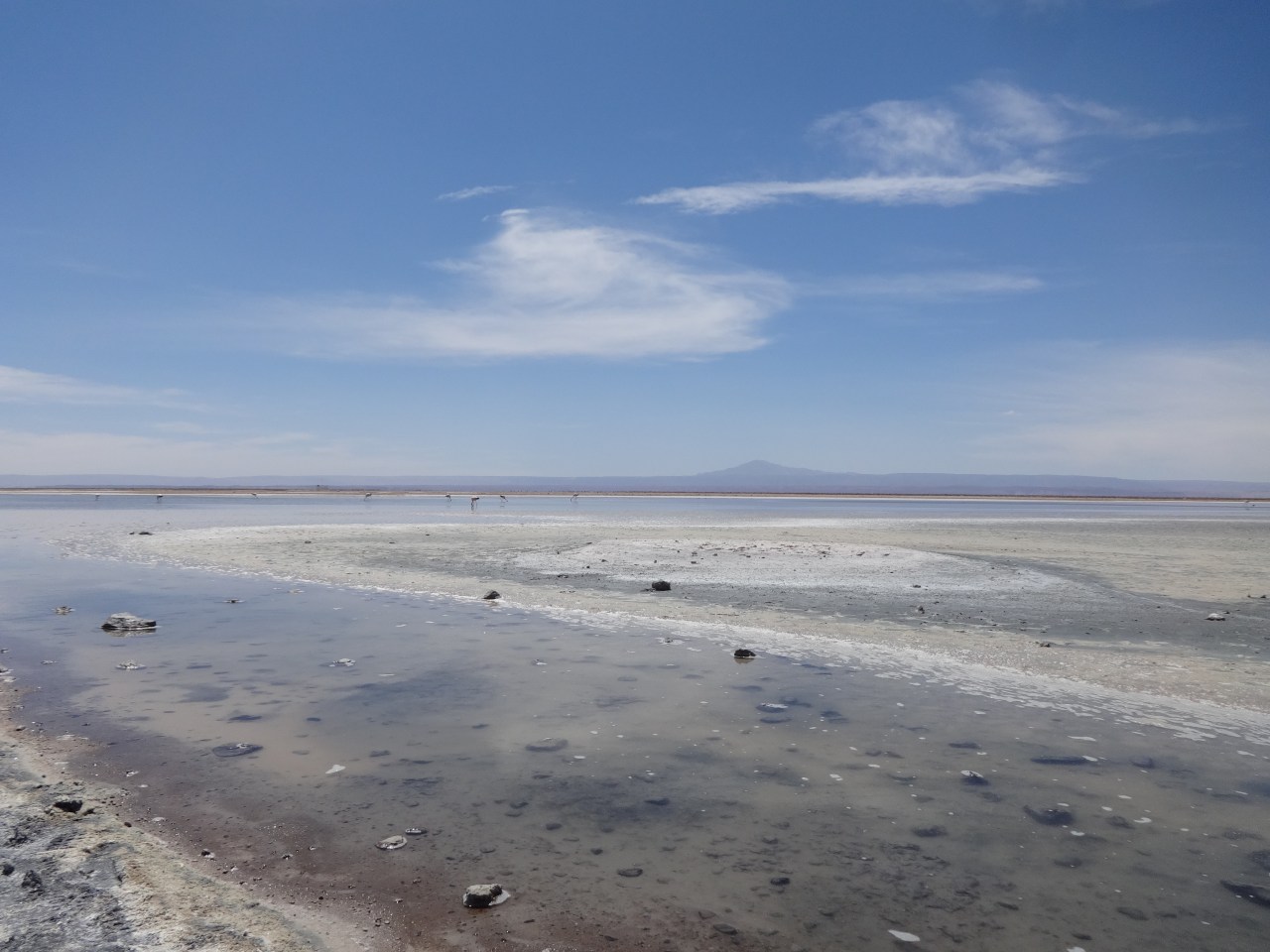
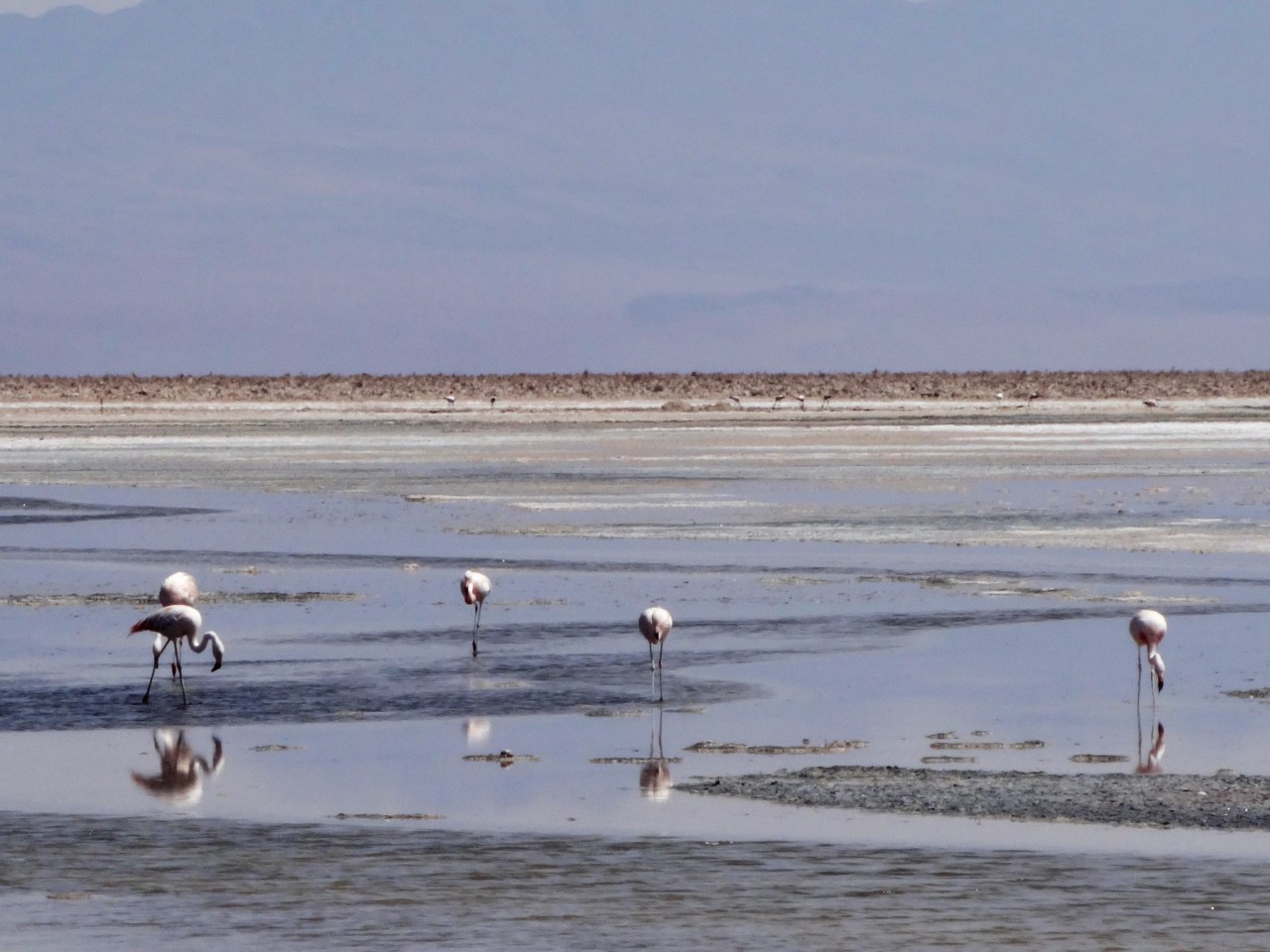

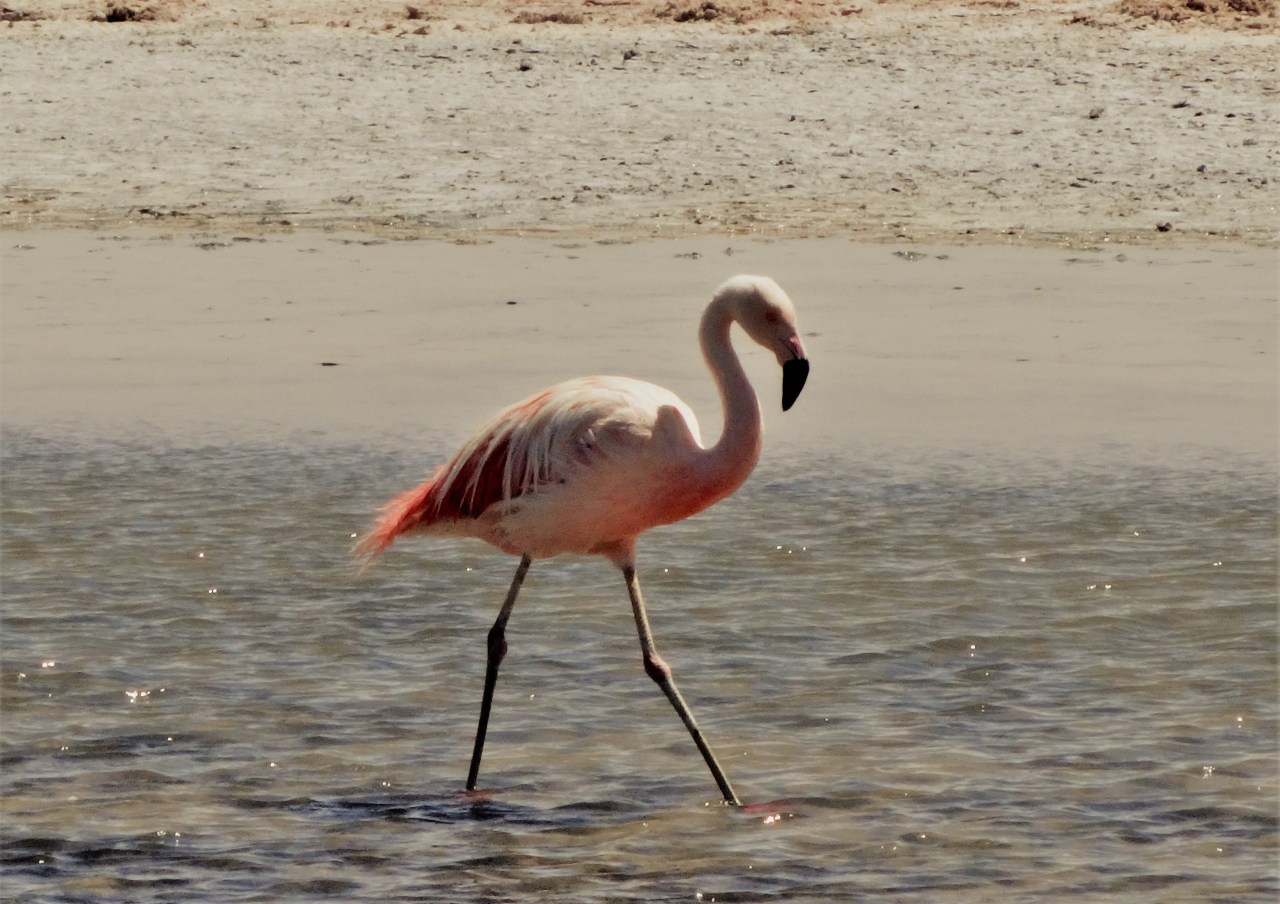
We stayed for around an hour, time enough to walk across the flats and take as many pictures as desired. 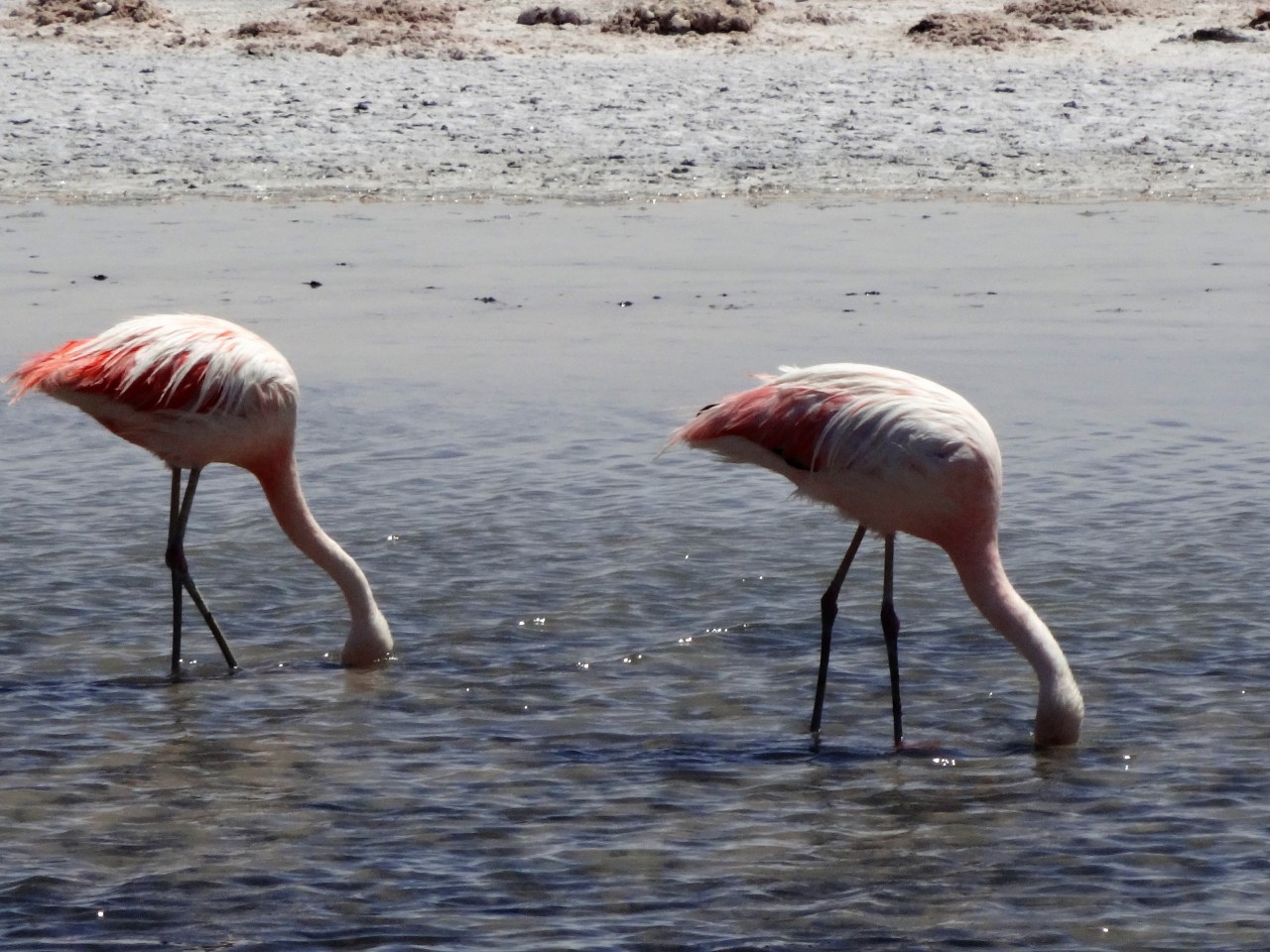

With the long drive into the mountains and the visits, we arrived around 6 back at our respective hotels. The dryness, altitude, and heat of the desert really takes it out of you. I was ready for a cold drink and some food pronto. The previous day a fellow tourist recommended Barros Bar, a few blocks off the beaten path but known for cheap food, drinks, and live music. The “Menu del Dia” was indeed dirt cheap – a starter, main course, and dessert or coffee for about 7 euros. The food was perfectly passable – a simple salad, followed by an enormous beef, corn, and potato stew, then an espresso. Along with a strong Pisco sour and some local live musicians, it was a great end to the day. More desert adventures to come!

 Sneakers and a Suitcase
Leave a comment